


When someone brings up senior living, the first thought may be that of a nursing home. A place where you pack up mom or dad, sell their house, and drop them off, only to feel guilty, but knowing you don’t have the resources or time commitment for the care they need. But that’s not the case anymore. Senior living isn’t simply hospital-like facilities. There are many types of senior housing and different levels of amenities and care provided within each that we identify below.
At-Home Care
At-home care is quite descriptive in its name. Under this level of care, an individual continues to live in their home, but a hired caregiver or nurse comes to the home for visits. During these visits, the caregiver could provide a range of services, such as helping prepare meals or other housework, sorting out medicines for the day or week, helping run errands, providing personal care, or even helping with money management. The level of care can range widely, from a few hours per week up to daily care.
The National Institute on Aging provides good information on the topics to take into consideration and some resources for growing older at home.

What to Expect as an Individual or Family Member for At-Home Care
- Prescheduled visits from caregivers
- Call-offs, no shows, vacation schedules, and hiring are usually done by the individual or family, but one can go through an agency
- Not full 24/7 support
Active Adult
These communities are becoming more abundant and coining the label “active adult communities” as a type of worry-free living for independent residents who are highly active and able. Many residents have their own cars and drive, visiting family and friends in their previously owned or rented home.
With 55+ active adult communities, the residents don’t have to worry about home repair and maintenance or neighbors in different stages of life. An easy visualization is that an active adult community is similar to an HOA of standalone homes or apartment building communities with accessible neighborhood amenities. The main difference between the comparison is that active adult communities are age-restricted.
What to Expect as an Individual or Family Member for Active Adult
- Community fitness and recreational amenities
- Support system in place
- On-site dining options
- Individual homes, either stand-alone or centrally connected
- 24/7 help for any needs that may arise
- Community of individuals in similar stages of life
Prime examples of Active Adult communities are Villa Rica, a community designed to give residents the active and worry-free life they desire.

Independent Living
Independent living is designed for seniors who can no longer or no longer want to continue with the responsibilities of home maintenance. These residences can be apartments, condos, villas, or even houses where residents live without worrying about maintaining the lawn or house repairs.
Before active adult communities were created, independent living was typically the first step in one’s senior living journey, and the most misunderstood. Independent living provides a way for the aging population to live their best life and focus their time on what truly matters, while communities take care of housing, maintenance, and chosen care items for a predetermined rate. Many independent living residents visit family, use personal or public transportation, and travel.
What to Expect as an Individual or Family Member for Independent Living
- Community-organized activities and programming
- Support system in place
- Centralized dining options
- Individual suites/apartments
- 24/7 concierge assistance for any needs that may arise
- Community of individuals in similar stages of life
- Walking trails, fitness center, and wellness-focused programming

Assisted Living
The next step in the continuum of care is assisted living. This level of care can be similar to at-home care but is provided at a significantly higher level. In these communities, individuals live in an apartment or suite-style of living with others in the same stage of life. Caregivers and nurses work 24/7 to provide licensed care for activities of daily living (ADLs).
Many assisted living communities are paired with independent living on campus to offer a variety of ‘aging in place’ options. Aging in place is defined by the CDC as “The ability to live in one’s own home and community safely, independently, and comfortably, regardless of age, income, or ability level.” In plain English, this is being able to stay in your community and with familiar surroundings, no matter your circumstances. This gives individuals the ability to live as independently as possible while receiving the proper care they need, and if their health conditions and needs change, the connections, friends, family, and consistency in life don’t change with their level of care needs.
What to Expect as an Individual or Family Member for Assisted Living
- 24/7 assistance
- Community-run activities
- Planned meal options and nutrition planning
- Medication reminders and/or distribution
- Addressing all safety concerns
- Help with personal care
- Assistance with household chores
An example of an assisted living community with independent living options is Villa Rica, an assisted living community with independent living housing and an active adult clubhouse.
Memory Care
When thinking about senior living, the challenges of memory care are what come to mind for most individuals. It seems like everyone has a family member, has been impacted by, or knows someone close to them who has been directly affected by dementia or Alzheimer’s.
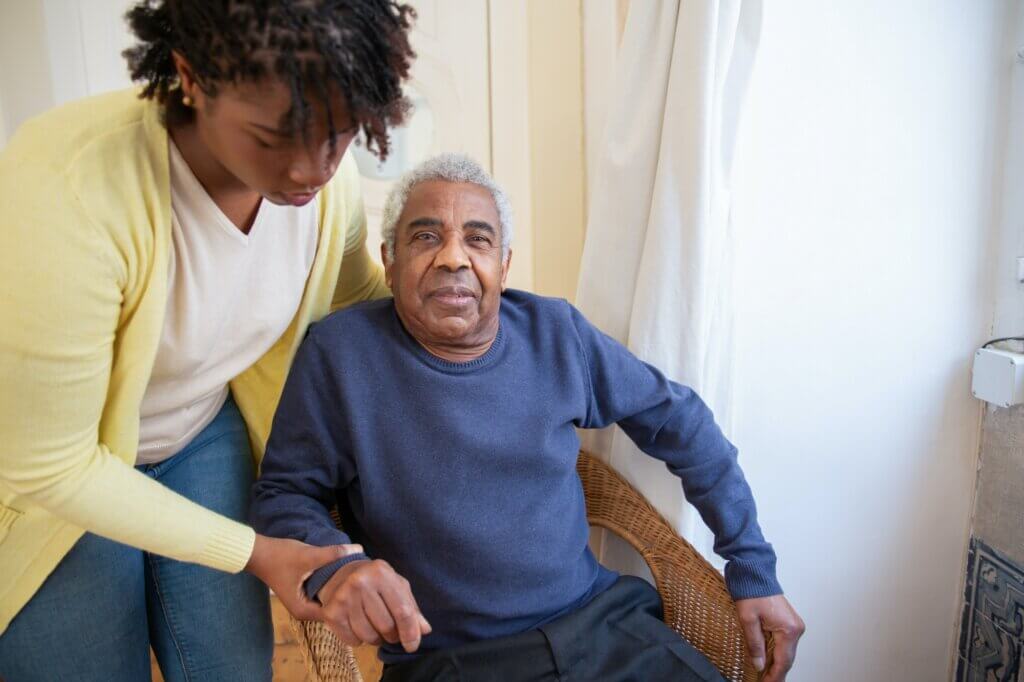
Memory care provides specific care for individuals with decreasing cognitive function, Alzheimer’s, or dementia, with a more holistic approach to senior care. It can often be paired with Assisted Living, but it is tailored and specific to the residents and the care needs specific to individuals with dementia or Alzheimer’s.
A non-profit focusing on funding Alzheimer’s research, generating awareness, and helping those affected by Alzheimer’s right now is Pedal for Alzheimer’s. Keeping with their mission, Pedal for Alzheimer’s offers resources for further education on Alzheimer’s.
What to Expect as an Individual or Family Member for Memory Care
- Around-the-clock care
- Advanced security systems
- Enclosed courtyards for safe, available outside areas
- Lower staff-to-resident ratios

Moving Forward
Choosing a senior living option is a big choice, and money can be a primary concern when looking into senior living options. Each senior living option has a range of availability, locations, and pricing options. There are also many resources available for determining the best care options, financial aid, and help available for each unique circumstance, and navigating the next steps. After finding the type of senior living that fits you, the next step is reaching out to potential locations and working with them to find options and resources that best fit your financial situation and needs. Contact Solinity for your development, management, marketing, and consulting needs.
This is part of the economic mini-series written by Amanda Barnett.